The global political and economic landscape continues to undergo significant change as world leaders confront a wide range of interconnected challenges. From economic uncertainty and geopolitical tensions to climate concerns and technological transformation, governments are navigating a period marked by complexity and rapid transition.
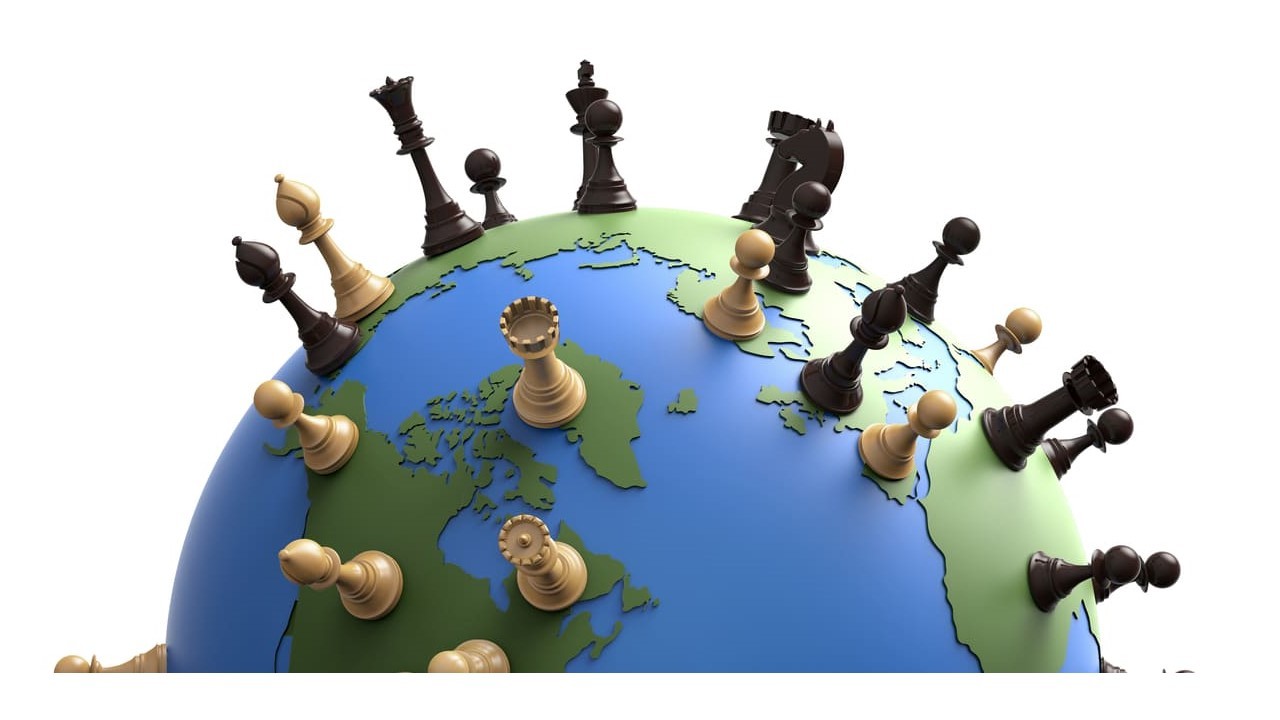
Geopolitical tensions remain a key concern in several regions, influencing diplomatic relations and global stability. Ongoing conflicts, territorial disputes, and strategic rivalries have affected international cooperation, while also reshaping alliances. Diplomatic efforts to ease tensions continue, but progress has often been slow due to competing national interests and security concerns.
At the same time, economic pressures are shaping policy decisions across both developed and developing countries. Inflation, debt burdens, and uneven growth have placed strain on national budgets and social systems. Many governments are seeking to balance economic stability with social welfare, particularly as public expectations rise amid higher living costs.
Global trade has also been affected by shifting policies and supply chain adjustments. Countries are increasingly focusing on economic resilience, diversifying trade partnerships, and reducing reliance on single markets. These changes have contributed to both new opportunities and challenges for international commerce.
Climate change remains a central global issue, prompting increased attention from policymakers and international organizations. Extreme weather events, rising sea levels, and environmental degradation have highlighted the urgency of coordinated action. While commitments to reduce emissions and invest in renewable energy have increased, implementation remains uneven across regions.
Technological advancement is another major factor reshaping global dynamics. Rapid developments in artificial intelligence, digital communication, and cybersecurity have transformed economies and societies. Governments are working to harness technological benefits while addressing concerns related to data protection, misinformation, and job displacement.
International institutions continue to play a role in addressing global challenges, though debates over their effectiveness persist. Calls for reform reflect changing power dynamics and the growing influence of emerging economies in global decision-making processes.
As the world moves forward, experts emphasize the importance of dialogue, cooperation, and long-term planning. In an increasingly interconnected world, the ability of nations to work together will be crucial in addressing shared challenges and maintaining global stability.